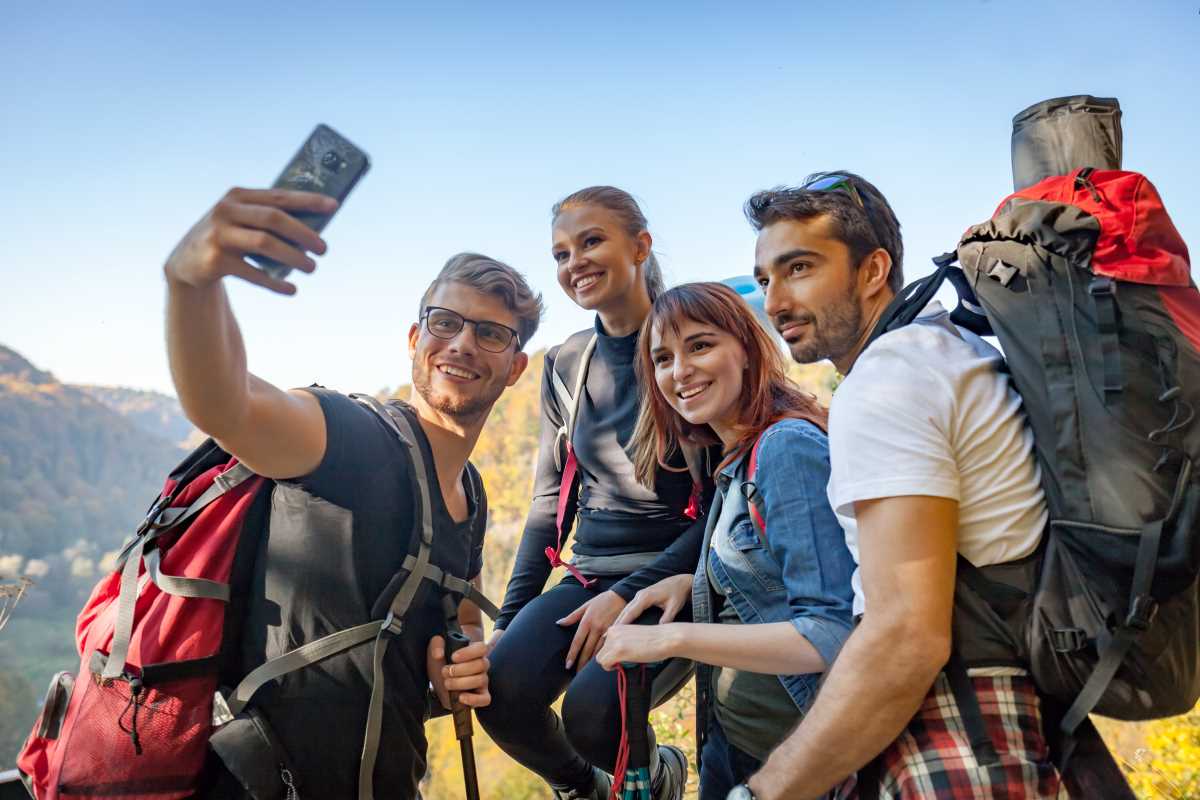
Long walks beneath tall trees and the thrill of discovering secret waterfalls can fill any trip with excitement, even without hauling a heavy backpack. By picking the right lightweight equipment, planning ahead, and teaming up with local adventure enthusiasts, anyone can enjoy the untamed beauty of a national park. You can join a guided tour or set off with friends without spending a fortune or carrying an overload of supplies. This guide helps you find simple ways to travel light while still making every moment safe and enjoyable as you explore breathtaking scenery and hidden gems found off the beaten path.
Every park has its own vibe, from sun-scorched deserts to alpine forests. Learning how to research trail conditions, budget for essentials, and find mentors can turn an intimidating trip into an exciting challenge. Ready to get started? Let’s map out the steps and dive into gear tips that keep you light on your feet.
Planning Your Adventure Expedition
Start by picking a park that fits your skill level and interests. If you like spotting unique wildlife, consider places like Everglades or Yellowstone. For stargazing and clear skies, Joshua Tree or Bryce Canyon could be perfect. Look up park websites or use apps like AllTrails to check trail ratings, distances, and recent hiker reviews.
Next, set a trip timeline that gives you wiggle room for weather changes or rest days. A four-day window often works well—you can hike on two days and keep the middle day for exploration or recovery. Factor in travel time from home or campus to the park entrance. This buffer helps you avoid rushed starts and allows you to pick up permits or check in with park rangers.
Choosing Essential Minimal Gear
- Backpack: Pick a 30–40 liter pack with padded straps and mesh back support. It fits a light sleep system plus daily essentials without adding bulk.
- Sleep System: Use an ultralight quilt or 20°F down sleeping bag paired with a closed-cell foam pad or inflatable mat rated for the expected temperatures.
- Shelter: A single-wall tarp shelter or a 1–2 person tent under 3 pounds cuts weight drastically while still shielding you from wind and rain.
- Cooking Setup: Choose a small canister stove plus a titanium pot that doubles as a mug. Bring a spork and a lightweight water filter straw.
- Clothing Layers: Stick to a moisture-wicking base layer, an insulating mid-layer (like a fleece or puffy jacket), and a rain shell you can compress tightly.
- Navigation Tools: Carry a laminated park map, a compass, and a smartphone loaded with an offline map app. Keep all electronics in a waterproof pouch.
- First-Aid Kit: Use a pre-packed kit trimmed down to bandages, pain relievers, blister pads, and any personal medications. Add a compact whistle and emergency blanket.
Each item on this list focuses on multi-purpose use. For instance, that titanium pot can heat meals, store small items, or even serve as a makeshift wash basin. By choosing versatile pieces, you keep weight low and functionality high.
Packing Strategies and Gear Prioritization
- Lay out your gear: Before the trip, spread everything out so you can see what you have. This step helps you identify duplicates and unnecessary extras.
- Rank by use frequency: Place daily essentials—like water, snacks, map, and rain gear—on top of your pack. Less-used items, such as your sleeping system, go near the bottom.
- Compress smartly: Use dry sacks to compress your clothing and sleeping pad. Group items by type—kitchen gear together, clothing together—so you avoid rummaging mid-hike.
- Distribute weight: Keep heavier items close to your spine and centered between your shoulders and hips. That positioning makes long hikes feel easier and reduces fatigue.
- Pack an emergency layer: Slip a lightweight down jacket or packable puffer into an outer pocket. It stays accessible for sudden weather drops or unexpected breaks.
Packing light doesn’t mean leaving vital supplies behind. Focus on what you need to stay comfortable, hydrated, and safe. Cutting out single-purpose items frees up space for extras like a journal or camera to capture your trip.
Securing Permits and Safety Preparations
Many national parks require day-use or overnight permits, especially on popular trails. Check each park’s official site for reservation windows. Some spots open booking six months ahead, while others fill up within minutes of release. Staying flexible on dates can improve your chances of snagging a permit.
Share your trip plan with a friend or family member, including your intended route, camp locations, and expected return time. Carry a GPS-based emergency beacon or a personal locator device if you trek in backcountry zones without cell service. Review park-specific safety tips—such as wildlife encounter protocols or river-crossing guidelines—and practice them before you hit the trail.
Joining Group Expeditions and Finding Mentors
Local hiking clubs or campus outdoor programs can introduce you to experienced leaders. Look for groups on social media, university notice boards, or community centers. You’ll often find free or low-cost trips led by volunteers who share their gear and tips.
Mentors can help you refine packing choices and teach you backcountry skills like knot tying or water purification. Offer to help with meal prep or route planning in exchange for guidance. That give-and-take builds camaraderie and can lead to discounted or free slots on guided expeditions.
Conservation and Leave-No-Trace Principles
Visitors play a vital role in protecting fragile ecosystems. Stick to durable surfaces like established trails and campsites. When you set up your tarp or tent, look for rock or gravel patches to avoid compacting roots and plant life.
Pack out everything you bring in. That includes fruit peels, snack wrappers, and even biodegradable items like orange rinds. Bury human waste in a cathole at least 200 feet from water sources, then cover and disguise the spot. Following these steps helps preserve the park’s beauty for future visitors.
Choose your gear carefully, prepare well, and team up with reliable partners. This approach lets you enjoy the adventure rather than worry about your pack.