 (Image via
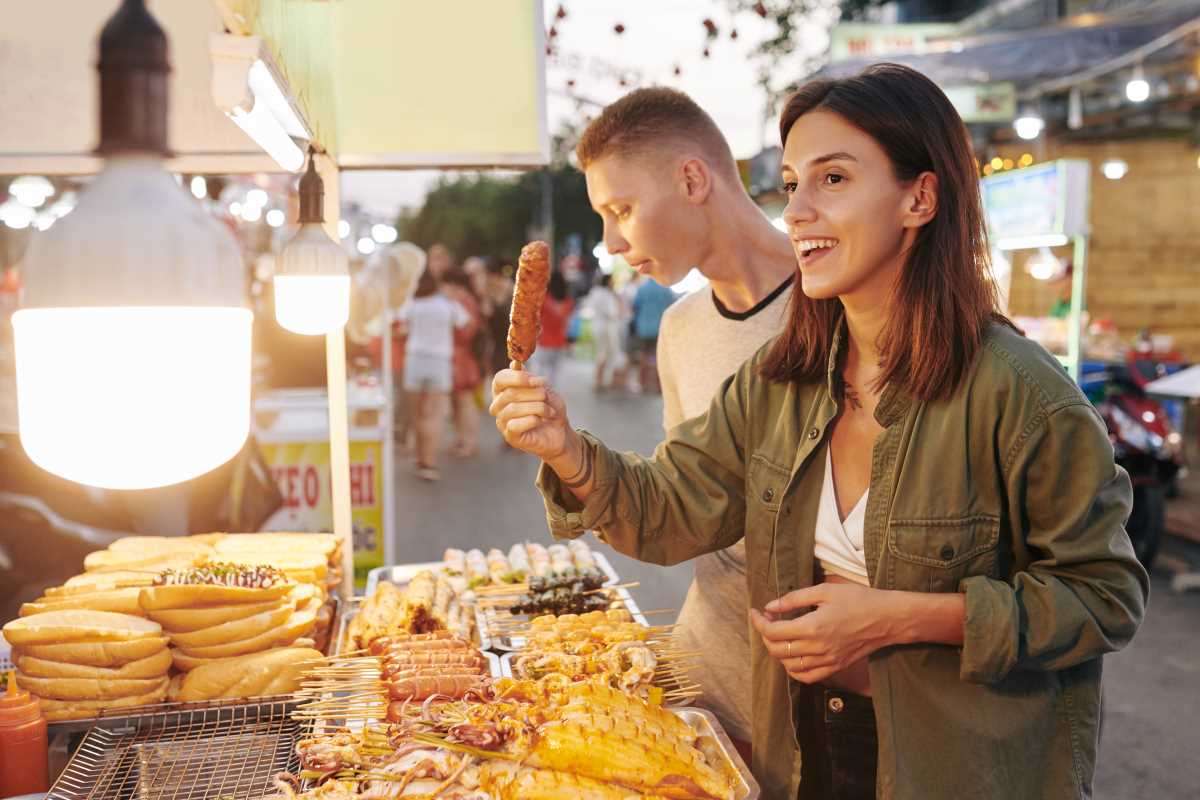
Walking through a lively market district, you quickly notice how people greet one another, bargain over prices, and share the latest news. Traveling to places where daily routines unfold in public spaces offers a unique way to learn about a new culture. Instead of relying on structured courses, you gather insights by joining locals for breakfast, watching street performers at sunset, and participating in neighborhood traditions. Every interaction becomes an opportunity to understand the community’s customs and values, turning ordinary moments into memorable lessons that stay with you long after your journey ends.
Whether you want to sharpen language skills, try traditional crafts, or simply observe community routines, you’ll find plenty of opportunities to connect with real life abroad. In each place, residents welcome curious visitors and turn small encounters into memorable lessons.
Popular Places for Cultural Exchanges
Kyoto, Japan, showcases centuries-old rituals alongside modern city life. Walk through Nishiki Market and learn to order octopus balls, then join a tea ceremony in a wooden teahouse. Locals often invite travelers to neighborhood gatherings, so you’ll practice polite Japanese speech in a relaxed setting.
In Oaxaca, Mexico, daily rhythms pulse around colorful mercados and art workshops. Sit with artisans carving wood or mixing natural dyes for textiles. Friendly stall owners love sharing stories about recipes and regional traditions, helping you absorb Spanish phrases naturally.
Lisbon, Portugal, balances cobblestone alleys and street art. Hop onto a vintage tram to chat with a driver about city legends. Later, join a fado practice session at a tiny tavern, listening to soulful songs while picking up key Portuguese lyrics.
Marrakech, Morocco, invites you into spice bazaars and rooftop lounges. Start your morning by sampling mint tea with shopkeepers, then wander into a leather tannery to learn trade techniques from local families. Every interaction helps you practice Arabic greetings and cultural manners.
Getting Involved in Daily Routines
Simple tasks turn into fascinating lessons when you interact with residents. A casual stroll can become a cultural deep dive as you observe habits, ask questions, and join in. Below, you’ll find numbered steps that show how typical routines translate into hands-on learning.
- Morning Market Tour: Wake up early with a local to pick fresh vegetables, negotiate prices, and listen to market gossip in the native language.
- Culinary Meetup: Go to a neighborhood kitchen where a family shows you how to knead dough or blend spices in their recipe.
- Daily Commute: Ride a bus or train, learn about timetables, and chat with fellow riders about school, work, or weekend plans.
- Street-Side Breaks: Stop at roadside stalls for coffee or tea, practice local courtesies, and pick up slang terms used by neighborhood regulars.
- Evening Social Ritual: Join a group playing board games or music in a public plaza, observe local styles, and add your own voice.
Following these steps helps you gain fluency in customs while absorbing language in small chunks. These moments combine cultural understanding with practical skills that last.
Actively participating in daily routines often leads to spontaneous invitations, helping you build genuine connections and learn faster than in a classroom.
Language and Workshop Opportunities
Many destinations offer drop-in workshops designed for curious newcomers. You can find short pottery classes in Vietnam or graffiti art sessions in Brazil, each led by passionate locals. These environments encourage casual language practice as you ask questions and follow instructions.
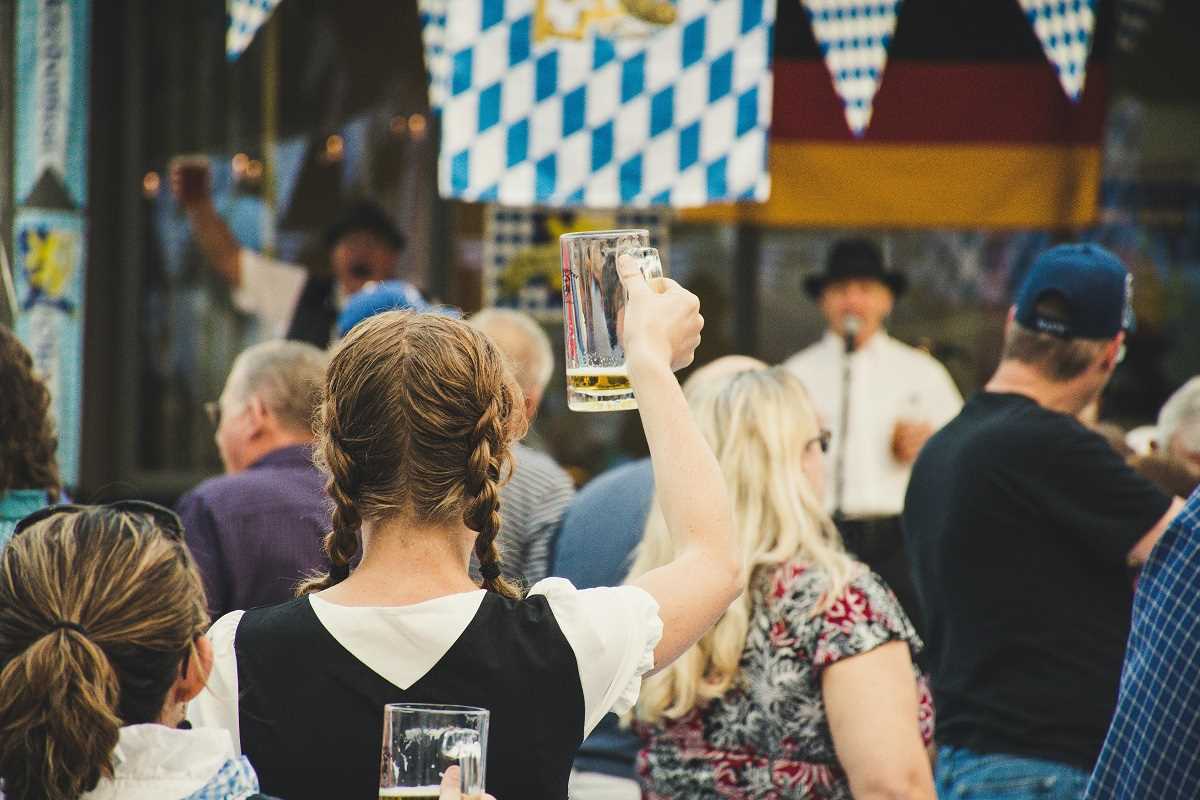
Organizations like Airbnb Experiences connect you with hosts eager to show you cooking styles or folk dance moves. In Munich, you might book a pretzel-making session and chat with your instructor about Bavarian customs. In Accra, join a music workshop and learn Akan phrases alongside drum rhythms.
Community and Festival Experiences
Festivals and community gatherings remain unbeatable for cultural immersion. When you attend, you’ll observe local pride, traditional attire, and communal celebrations that reflect core values.
- Songkran in Thailand: Participate in the water festival, learn respectful ways to pour water over elders, and pick up basic Thai phrases with each splash.
- El Día de los Muertos in Mexico: Make sugar skulls with community artisans, hear stories about family traditions, and practice Spanish vocabulary related to memory and celebration.
- La Tomatina in Spain: Join tomato-throwing chaos, learn about small-town camaraderie, and pick up regional slang from lively crowds.
- Holi in India: Throw colored powders with locals, share laughter, and learn Hindi expressions exchanged during this lively celebration.
These events offer natural immersion, allowing you to learn through participation, laughter, and splashes of color. Visiting small towns during festival seasons often results in more personal encounters than big-city celebrations.
If you want to explore more about unique local gatherings, check out this resource on [KEYPHRASE]
Practical Tips for Planning Your Trip
Learn a few key phrases before your trip, focusing on greetings, thank-yous, and polite requests. Use language apps or quiz friends who speak the language to build a basic vocabulary. Even a small number of words can help break the ice and show respect.
Pack light with versatile clothing appropriate for local norms—especially if you plan to attend communal festivals or traditional ceremonies. Always carry a small notebook to write down new words, recipes, or interesting customs you encounter. This helps you remember tiny details that often fade from memory.
Choose homestays or small guesthouses instead of large hotels. Hosts often share morning meals, invite you to family events, and give practical advice for navigating markets or public transport. In many places, simple homestays become your personal link to daily life.
Finally, stay curious and respectful. Ask open-ended questions, follow local etiquette, and be willing to share your own culture in return. When you show genuine interest, residents respond warmly and include you in daily routines.
With each step, you will turn everyday moments into meaningful learning experiences that extend well beyond typical sightseeing.
Start your learning journey by packing your bags, reviewing some phrases, and engaging in hands-on practice.