 (Image via
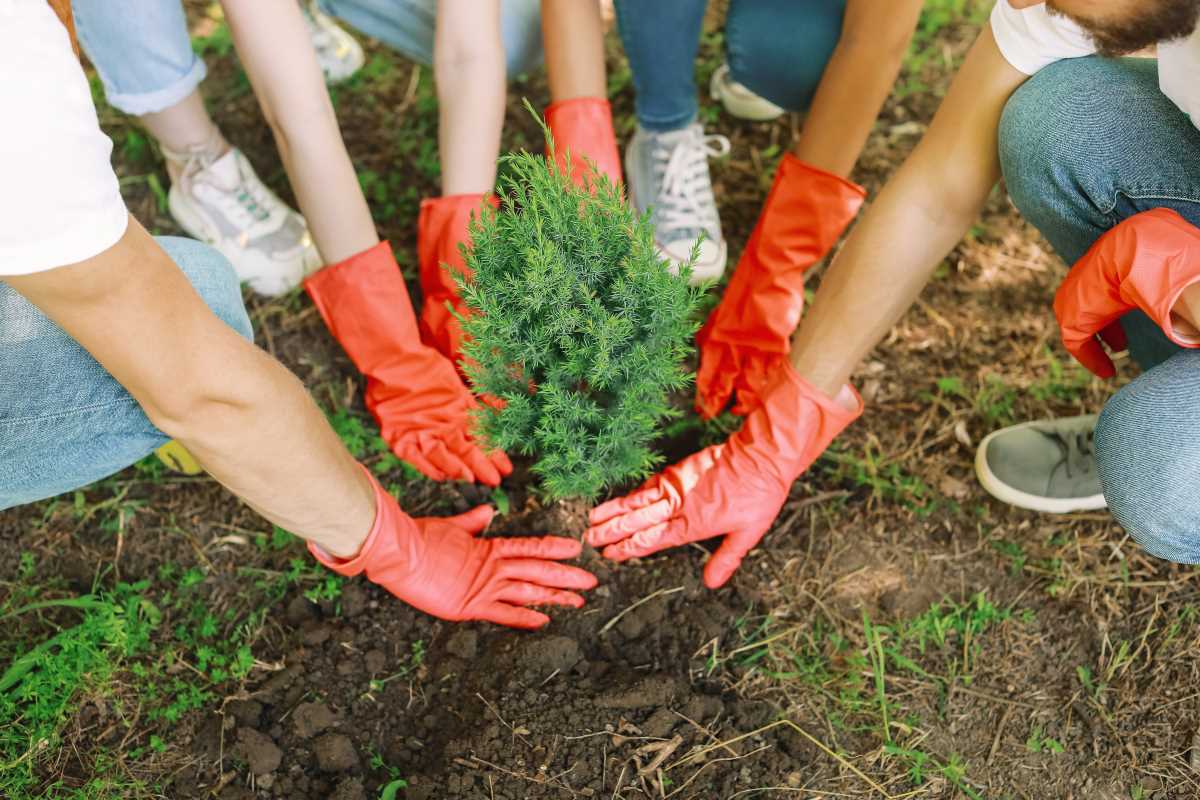
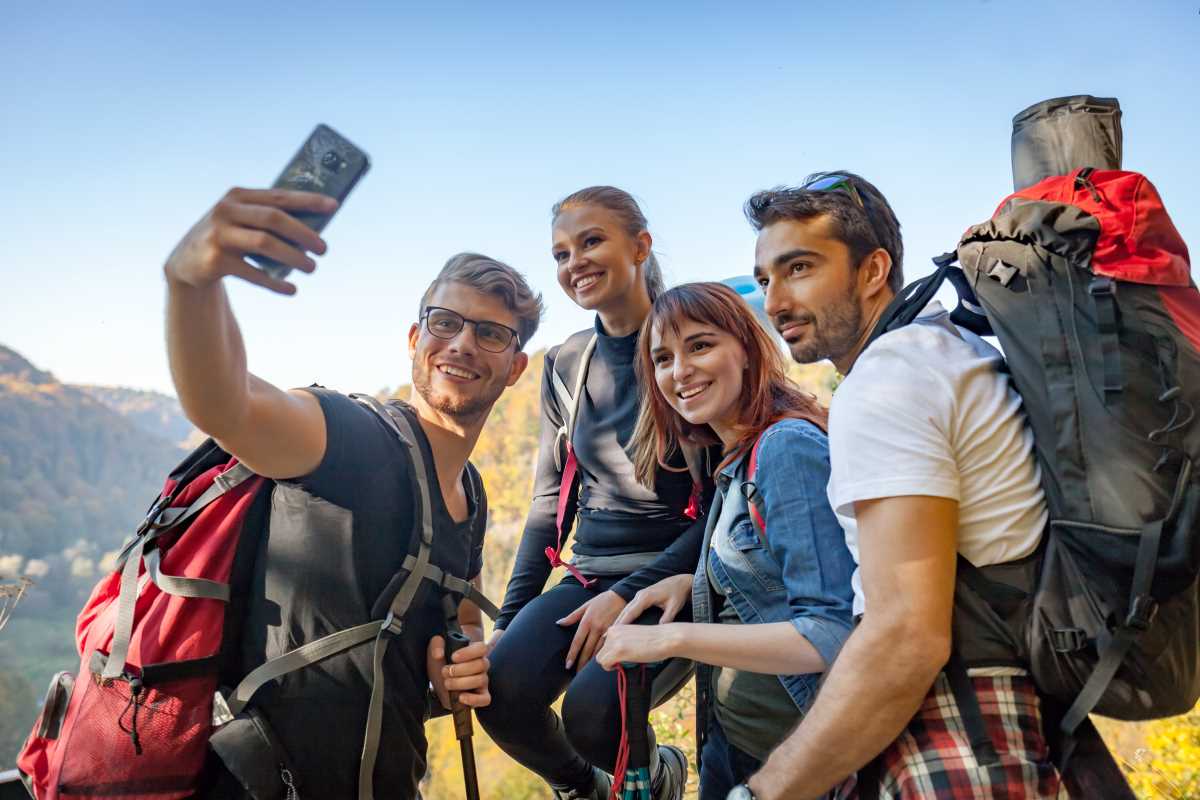
Adventure blends seamlessly with hands-on conservation when you take part in experiences that offer both excitement and a chance to make a real difference. Trekking through lush forests may lead to days spent tracking rare wildlife, while paddling across clear waters at dawn could end with helping restore vibrant coral reefs. Rather than choosing between ordinary volunteering or routine sightseeing, you can chart a course that brings excitement and meaning to each day. This guide shares everything you need to design a trip that turns your passion for exploration into positive action, ensuring every moment counts for both you and the places you visit.
By mixing fieldwork routines with off-the-beaten-track detours, you’ll engage in real conservation efforts and get your pulse racing. In the following sections, you’ll find fresh motivations that drive these hybrid trips, along with a practical action plan you can adjust based on your interests, budget, and comfort zone.
What Sparks Projects Where Service Meets Adventure
Volunteering and exploring often occupy separate parts of travel planning—but combining them opens up a sense of discovery that goes beyond ticking boxes. When you break away from a typical tourist mindset, every trail and task becomes part of a unified goal to leave a positive impact while experiencing raw landscapes.
Instead of focusing on typical “give-back” bullet points, think about how pursuing conservation goals can lead to unexpected personal gains. Perhaps testing your resourcefulness in a mangrove restoration project boosts your resilience for a night-time jungle hike. These side-by-side achievements energize both your altruistic drive and your love of active travel.
Pairing service tasks with adventure also strengthens connections with local communities and environments. You’re not just a passerby snapping photos; you’re working on solutions that create ripple effects outward. That shared purpose becomes the spark for richer cultural exchanges and genuine friendships that last long after the trip ends.
Plan for a Smooth Conservation Adventure
- Site Scouting Playbook – Purpose: Find field sites that match your fitness level and conservation interests.
- List three habitat types you are most interested in (for example, desert dunes, rainforests, coastal wetlands).
- Search volunteer forums or conservation networks for upcoming projects in those zones.
- Compare terrain difficulty, daily tasks, and lodging options to choose the best fit.
- Cost/Availability: Usually free placement in exchange for a set weekly commitment; campsites or simple dorms are often included. Insider Tip: Seek programs that rotate you through different micro-sites daily to keep the pace lively and prevent task fatigue.
- Skill Swap Strategy – Purpose: Exchange your existing skills (photography, teaching, data recording) for on-site training in ecological methods.
- Describe your top two practical skills and how they could help with daily project needs (for example, creating digital species logs, leading youth workshops).
- Propose a short skills-share session during your interview or introductory call with coordinators.
- Set aside time each week to teach your peer group or local children, then schedule equal time to learn surveying, GIS mapping, or plant propagation from staff experts.
- Cost/Availability: No cost; trade your time for specialized instruction. Insider Tip: Bring snacks or a mini-workshop on a fun hobby to make the exchange more enjoyable and build camaraderie.
- Dynamic Day Planner – Purpose: Schedule conservation tasks around adventure outings without overlap or exhaustion.
- Create a template that divides each day into three parts: morning, midday, and afternoon.
- Assign physically demanding tasks (trail clearing, coral planting) to your most energetic times, and keep recreational activities (river tubing, birdwatching hikes) for cooler hours or after work.
- Include buffer periods for unplanned discoveries like rare wildlife sightings or a sunset viewpoint you learned about from locals.
- Cost/Metric: No cost; success depends on your comfort and energy levels after two weeks. Insider Tip: Track how much time you actually spend on transitions—try to leave at least 30 minutes each day to switch gears smoothly.
- Local Resource Loop – Purpose: Obtain supplies and guides directly from community-run cooperatives.
- Identify three goods or services you will need upon arrival (meals, transport, gear repairs).
- Reach out ahead of time to village councils or conservation centers to confirm availability and prices.
- Create a plan to access each resource—walking, shared van, bicycle—and note approximate travel times.
- Cost/Availability: Usually affordable rates below standard tourist prices; often supports community projects directly. Insider Tip: Trade a few volunteer hours for discounted or free local tours that enhance your day off.
- Cultural Immersion Experience – Purpose: Spend meaningful time engaging with local traditions during rest periods.
- Research one or two authentic ceremonies, farm visits, craft workshops, or cooking classes near your conservation base.
- Book slots at least 48 hours in advance to avoid last-minute sellouts, especially during festivals.
- Dedicate at least one evening or full day each week to fully participate, allowing your mind to shift from project work.
- Cost/Metric: Ranges from a small donation to a low-cost workshop; success measured by building meaningful local connections afterward. Insider Tip: Ask hosts to share indigenous ecological wisdom related to their practices—these stories can offer fresh insights into your own projects.
Essential Gear and Clever Packing Tips
Select equipment suited for a journey that involves muddy fieldwork and rugged exploration while balancing durability and weight. Replace heavy boots with versatile trail-sneakers that handle wet conditions but don’t add unnecessary weight during long hikes. Choose quick-dry shirts and convertible pants that zip into shorts when temperatures rise after a morning planting session.
Keep smaller essentials—such as extra sock liners, headlamps, sample bags—in waterproof pouches attached to your main pack’s exterior loops. Label each pouch with simple symbols to find what you need quickly. Carry a slim multi-tool with a knife, pliers, and screwdriver bits in your daypack for emergency repairs or campsite fixes. This setup allows you to move smoothly between projects and scenic viewpoints, whether repairing a tent stake or untangling a gear strap before a cliffside survey.
Monitoring Your Impact and Memories
Create a dual journal: one half to record your daily service achievements (areas restored, species counted, hours spent) and the other to capture vivid travel moments (sky colors during a night paddle, a local storyteller’s laughter). Switch between entries to see how each experience influences the other—perhaps noticing how a breakthrough in restoration techniques aligns with increased trust from community guides.
Share concise photo essays or short videos periodically with your home network or campus club using free platforms. The feedback can help you focus on habitat types or research methods that resonate most. These posts also serve as keepsakes and subtle advocacy tools, demonstrating how authentic conservation work naturally pairs with adventure.
By viewing every muddy shovel stroke and every steep ridge summit as parts of a shared journey, you will create a volunteer experience that excites your sense of discovery and leaves a meaningful ecological mark. This blend of purpose and adventure fosters lasting bonds with wild places and those who protect them—reminders that impact and exploration belong on the same itinerary.
Combining fieldwork with off-trail adventures transforms travel into a dynamic exchange. Each step you take in service or exploration can lead to unexpected and memorable experiences.